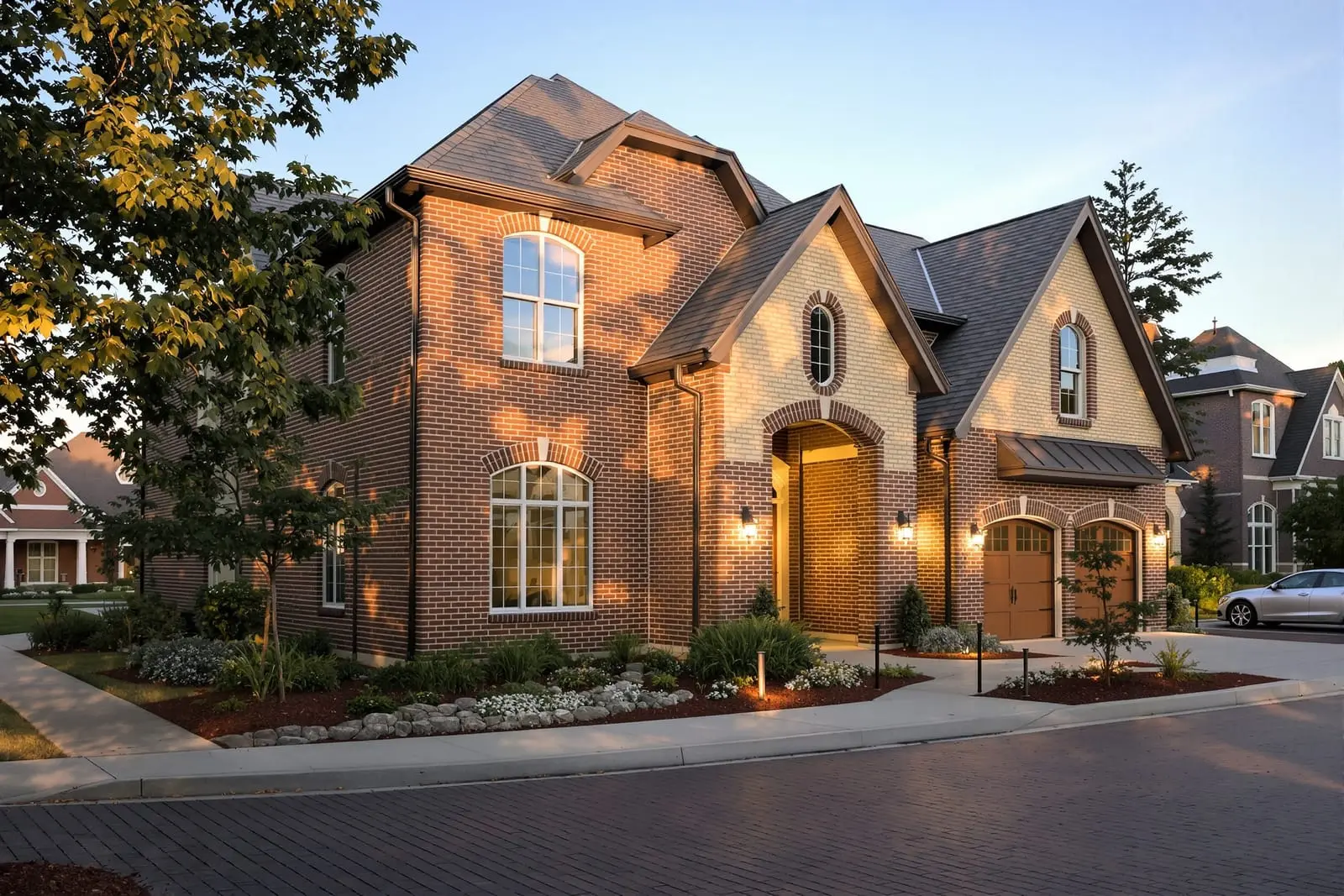
We install commercial brick veneer systems in Baton Rouge, LA, including anchored veneers and modern panelized products. Our crews follow manufacturer specs for ties, flashing, and weeps to ensure performance. Achieve the look of solid brick with a cost effective, code compliant veneer system.
Vanguard Masonry Baton Rouge provides professional commercial brick veneer throughout Baton Rouge, LA and the surrounding area. Our licensed, insured crew delivers safe, clean, on-time work with a free estimate before anything begins. Call (225) 327-5380 or request your free quote.
Commercial Brick Veneer Systems for Baton Rouge Businesses
Vanguard Masonry Baton Rouge designs and installs commercial brick veneer systems that match the real demands of Baton Rouge properties: high humidity, intense sun, and frequent heavy rain. Whether you manage a medical office on Bluebonnet, a retail strip on Airline, or an industrial facility near the river, we build veneers that are more than a facade. Our work is engineered as an exterior wall system that protects the building, manages water, and presents a professional appearance for decades.
Commercial brick veneer is a non structural brick facing anchored to a structural backup wall, usually CMU block or metal stud framing with exterior sheathing. Done correctly, the veneer never carries roof or floor loads. Its job is to shed water, manage wind pressure, and deliver the look and durability of masonry with more flexibility than solid brick construction. Our team focuses on these performance details first, then on aesthetics and cost.
From early design conversations to final cleanup, we coordinate closely with your architect, GC, or facilities team so the veneer ties cleanly into storefronts, curtain wall, EIFS, and other building envelope elements. This coordination is essential on Baton Rouge commercial sites where tight schedules, shared staging areas, and ongoing operations leave little room for rework or delays.
How We Design Your Commercial Brick Veneer System
A successful commercial brick veneer project in Baton Rouge always starts with proper system design. Vanguard Masonry Baton Rouge begins with a site visit and a review of your plans so we understand the building use, exposure, and existing construction. On a renovation, we document current wall assemblies and look for issues like trapped moisture, insufficient weep paths, or failing sealant joints that need to be corrected when the new veneer is installed.
We then help select the wall backup type and moisture control strategy that best fits your building. For new metal stud construction, we commonly recommend exterior sheathing with a fluid applied air and water barrier, brick ties, and a ventilated cavity with correctly placed flashing and weeps. For CMU backup walls, we evaluate whether the block will be painted, parged, or treated with a separate air barrier before veneer ties go in.
Wind and seismic requirements for East Baton Rouge Parish are also factored into the tie pattern, anchor type, and control joint layout. We calculate brick wythe thickness, movement joint spacing, and shelf angle locations where required by building height or structural changes. On taller commercial structures, we coordinate with the structural engineer on relieving angles that support the veneer at each floor line so brick weight is properly distributed and thermal movement is not restrained.
Installation Process Step by Step
Once design is settled, Vanguard Masonry Baton Rouge follows a strict installation sequence that respects both the building envelope and your construction schedule. First, we verify framing, sheathing, and air barrier are complete and properly installed. Any penetrations, window openings, or transitions to other claddings are inspected so we do not cover up problems that will later leak into the cavity.
Next, we layout and install brick veneer anchors or ties. The type and spacing depend on backup material and building height. For Baton Rouge commercial projects we often use adjustable anchors on metal studs to keep brick plane true, even if framing tolerances are not perfect. Every anchor penetration through the air barrier is sealed according to manufacturer requirements so the system maintains its air and water resistance.
We then install base and head flashing, drip edges, and through wall flashing at shelf angles, lintels, and window heads. Weep systems are placed at the base of the wall and above openings. In this climate, we prefer weep vents that will not clog from debris and that allow cavity ventilation, not just drainage.
Only after these elements are in place does bricklaying begin. Our masons control bed and head joint thickness, maintain bond patterns, and continuously monitor alignment with story poles and laser levels. Mortar joints are tooled at the right time for a tight, weather resistant finish. At the end, we clean the brick with products suited to the specific brick and mortar type so we remove mortar smears without etching or discoloring the veneer.
Brick, Mortar, and Aesthetic Options for Baton Rouge Properties
Commercial brick veneer offers a wide range of visual options that can still perform well in our Gulf climate. Vanguard Masonry Baton Rouge works with major regional brick plants, which means we can source standard red, tan, and brown blends that match existing Baton Rouge shopping centers, or more distinctive ironspot and tumbled bricks for projects that need a signature look.
We walk owners and designers through brick size (modular, queen, utility, or norms used on local warehouses), surface texture (smooth, wire cut, sand faced), and color blends. If you are matching an existing structure, we request samples and perform on site comparisons in natural light. For new buildings, we often build a mockup panel so decision makers can see brick, mortar color, and joint profile together before final approval.
Mortar is not just gray filler. Its color, joint type, and composition affect both appearance and performance. In Baton Rouge, we usually specify Type N or S mortar depending on structural demands and exposure, with sand that does not bleed excessive color into light bricks. Joint profiles like concave and V joint are recommended for weather resistance, while raked or flush joints might be used for interior veneers or sheltered facades. These details have real consequences for cleaning, water shedding, and long term stain resistance in our humid environment.
Additional aesthetic features include soldier or rowlock courses, projected bands, and brick pilasters. On commercial storefronts, we often coordinate veneer heights and patterns with glazing elevations, canopy brackets, and signage attachment points so the finished building has an intentional, cohesive look rather than a patchwork of materials.
Water, Humidity, and Long Term Performance in Our Climate
Baton Rouge buildings deal with heavy rainfall, frequent storms, and long periods of high humidity. A commercial brick veneer system that ignores this reality will quickly develop issues like efflorescence, dark moisture bands, and interior leaks. Vanguard Masonry Baton Rouge designs specifically for local moisture conditions so your building stays dry and presentable.
The key concept is that brick is water tolerant but not waterproof. Some rain will always pass through the veneer, so the cavity behind it must collect, drain, and vent moisture before it reaches insulation or interior finishes. We set clear cavity depths, usually 1 to 2 inches depending on the system, and keep it free of excess mortar droppings using mortar nets and boards. This prevents weep blockage, which is a common cause of trapped moisture and localized deterioration.
We also pay close attention to transition points, which is where most Baton Rouge commercial leaks appear. These include roof to wall intersections, veneer above metal awnings, sign penetrations, and changes from brick to stucco or metal panels. Each of these areas gets properly integrated flashing and sealant in coordination with the roofing and waterproofing trades.
For existing buildings with recurring leaks, we can diagnose whether the problem is failed sealant, missing flashing, hairline brick cracking, or incorrect tie installation that bridges the cavity. Our repair recommendations focus on restoring the drainage and ventilation paths without unnecessary demolition.
Cost Factors and Project Planning for Commercial Brick Veneer
Owners and contractors in Baton Rouge often want a clear understanding of what drives the cost of commercial brick veneer. Vanguard Masonry Baton Rouge breaks this down early so budgets are realistic and there are no surprises when work starts. The main cost components are brick selection, backup wall type, wall height and complexity, detailing around openings, and jobsite logistics.
Brick itself can vary significantly in cost depending on manufacturer, finish, and whether it is a standard or special order product. Imported or custom blends typically cost more and can require longer lead times, which we factor into your schedule. Complex patterns such as stacked bonds, multi color blends, or extensive accent bands also add labor time compared to straightforward running bond.
Building shape and access have a major impact too. A simple one story retail shell with wide open staging on Siegen or College is more efficient than a tight infill project downtown where scaffolding must be carefully planned around sidewalks and neighboring properties. Taller buildings require engineered scaffolding, more stringent safety planning, and relieving angles at floor lines, all of which add cost and coordination.
We help you decide where to invest in high impact veneer, for example highly visible storefront elevations, and where a more economical treatment is appropriate. During preconstruction, we review drawings for potential savings, such as simplifying brick coursing at parapets, standardizing window head details, or adjusting structural elements to reduce the number of shelf angles required.
Why Baton Rouge Contractors and Owners Choose Vanguard Masonry
Vanguard Masonry Baton Rouge focuses specifically on the kind of commercial work that dominates our local market: medical offices, educational facilities, retail plazas, worship centers, and light industrial buildings. We understand that many of these projects must stay operational during construction or renovation, so we phase our work and scaffolding to maintain access and safety for the public.
On design build and negotiated projects, we often come in early to consult on brick veneer details before drawings are finalized. This allows us to catch constructability issues and recommend assemblies that meet code, satisfy the architect, and still fit the owner budget. Our field teams then execute those details exactly, rather than improvising or deviating from specifications, which is a common cause of future envelope failures.
Communication is central to how we work. We provide clear schedules for brick delivery, scaffold erection, inspection milestones, and cleaning operations, which is especially important on multi trade Baton Rouge jobsites where crane time and site access are shared. When unexpected conditions appear in existing structures, we document them with photos and written options so the owner and GC can make informed decisions quickly.
If you are planning a new commercial building or looking to upgrade an aging facade with a high performing brick veneer system, Vanguard Masonry Baton Rouge is ready to help you evaluate options, assemble a realistic budget, and deliver a wall system designed for Baton Rouge conditions and built to last.
“
Professional commercial brick veneer systems, done right the first time, quality materials, honest pricing, and results that last.
Vanguard Masonry Baton Rouge
Commercial Brick Veneer Systems Across Our Service Area