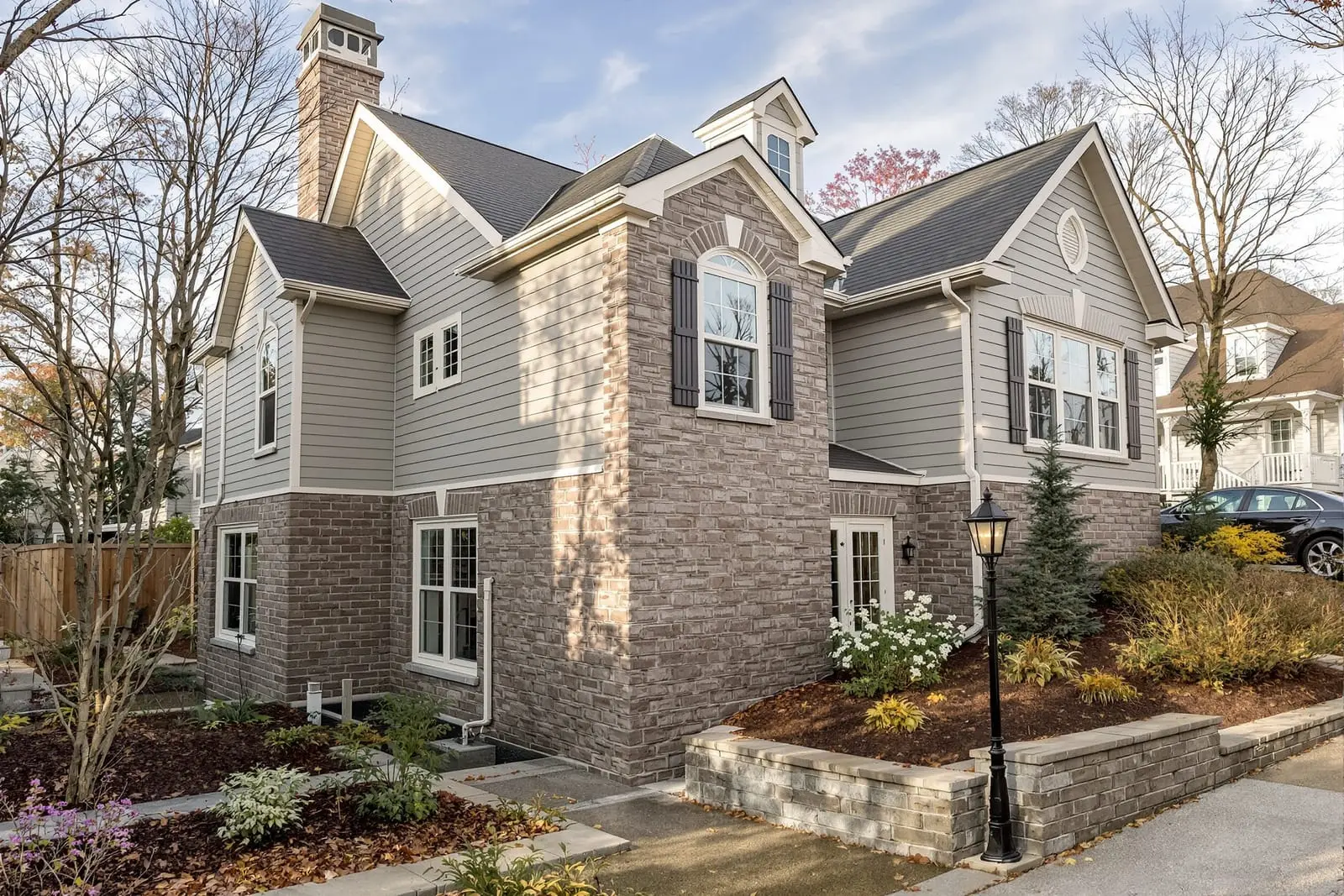
We perform foundation and basement masonry repair in Baton Rouge, LA, addressing cracked block, leaning walls, and moisture intrusion. Our team evaluates structural issues and recommends appropriate reinforcement, rebuilding, or waterproofing. Protect your home value with reliable foundation masonry solutions.
Vanguard Masonry Baton Rouge provides professional foundation masonry repair throughout Baton Rouge, LA and the surrounding area. Our licensed, insured crew delivers safe, clean, on-time work with a free estimate before anything begins. Call (225) 327-5380 or request your free quote.
Foundation Masonry Repair in Baton Rouge Homes
Foundation problems in Baton Rouge usually start with our soil and water. High clay content, heavy rain, and hot dry spells cause the ground to expand and contract, which can shift masonry foundations over time. Vanguard Masonry Baton Rouge focuses specifically on structural masonry work, not quick cosmetic patches, so the repairs we make are meant to handle these local conditions for the long term.
When we look at a foundation, we are checking more than visible cracks. We probe mortar joints, tap test block or brick, and look for stair-step cracking in the veneer that can indicate movement in the footing. Inside the home or basement, we look for out-of-level floors, sticking doors, and separation where walls meet ceilings. Outside, we check grading, gutter discharge, and any signs that water has been standing against the foundation.
If we find you do not actually need foundation masonry repair, we say so. Sometimes the issue is drainage or minor settlement that can be monitored. When real structural work is needed, we explain the exact sections that must be rebuilt or reinforced, what materials we will use, and how we will keep your home supported while repairs are in progress.
How We Diagnose and Plan Your Masonry Foundation Repair
Every foundation and basement masonry job with Vanguard Masonry Baton Rouge starts with a detailed inspection. We begin with a full walk-around of the structure, photographing problem areas and marking cracks so their width and length can be tracked over time if needed. Inside, we use a laser level or water level to check floor elevations and wall plumb, which tells us where settlement or lateral pressure is strongest.
Next, we determine the type of construction you have. In Baton Rouge, many homes sit on brick or block perimeter foundations with interior piers, while others use poured concrete stem walls with a brick veneer. Older homes can have soft lime-based mortar, which must be matched with compatible repair materials so the brick is not damaged later.
Once we know the structure and the cause, we create a written repair plan. This may include repointing and rebuilding sections of block, adding masonry buttresses to support bowing basement walls, or installing new masonry piers under sagging beams. For more severe movement, we may coordinate with an engineer so that our masonry work matches their load calculations and any required drawings. We provide clear line items for each task so you can see what is driving cost, instead of a single vague price.
Typical Foundation and Basement Masonry Repair Methods
Foundation masonry repair in Baton Rouge usually falls into a few clear categories, and we explain which apply to your home before any work begins. For minor to moderate cracking in brick or block walls, Vanguard Masonry Baton Rouge may cut out damaged mortar joints, clean the joints, and repoint them with a mortar mix tailored to your specific brick or block. Where blocks themselves have failed, we remove and replace individual units, taking care to maintain the pattern and bond.
In basements or crawl spaces with bowing or leaning masonry walls, we often combine structural reinforcement with masonry rebuilding. This can include partially dismantling the wall, pouring new concrete footings if existing footings are undermined, then rebuilding the wall in sections with concrete masonry units (CMU) while keeping the structure temporarily shored. In some cases, vertical rebar and grout-filled cores are added in the block wall to improve strength.
For sagging interior areas, we may build new masonry piers under beams or girders, sitting on new or enlarged concrete pads. The pier layout is designed so that loads transfer directly to stable soil, which helps prevent recurring settlement. Where brick veneer has separated from the backing structure, we reinstall or add wall ties, then reset loose bricks and repoint the joints so the veneer functions as intended instead of just hanging on by gravity.
Materials, Options, and What Drives Cost
Vanguard Masonry Baton Rouge specifies materials based on both structural needs and the existing look of your home. For structural elements, we commonly use standard or high-strength concrete masonry units, poured concrete and steel reinforcement where required. For visible surfaces, we match your existing brick size, color range, and texture as closely as we can, and we adjust mortar color and joint profile so repaired areas do not stand out.
Costs are driven primarily by access, depth of damage, and whether structural shoring or new footings are needed. A simple repointing job around hairline cracks above grade will cost far less than rebuilding a basement wall below grade that requires excavation, new drainage, and waterproofing. Homes tightly boxed in by neighboring structures or large decks can be more labor intensive because we may need to work by hand instead of with machinery.
Water management details can also affect cost but are often worth the investment. Adding or upgrading foundation drains, installing weep holes in brick veneer, and regrading soil so water flows away from the house can prevent future repairs. During your estimate, we separate out these optional but recommended items so you can weigh upfront cost against long-term risk.
Dealing With Water, Soil, and Local Conditions
Baton Rouge foundations live with frequent heavy rain, humid summers, and occasional flooding, so ignoring water is the fastest way to waste money on foundation masonry repair. Part of our process at Vanguard Masonry Baton Rouge is to trace how water gets to your foundation. We look at downspout discharge, low spots against the wall, and any signs of efflorescence or mold on interior masonry that point to moisture movement through the wall.
If we are working on a basement or below-grade wall, we often recommend pairing masonry repairs with exterior waterproofing and drainage when accessible. This can include applying a waterproofing membrane to the outside face of the wall, installing perforated drain pipe at the footing level that slopes to a discharge point, and backfilling with washed gravel instead of expansive clay. Inside, we might apply breathable masonry coatings or repair interior parging where it is flaking.
Local soil movement is another key factor. Where we see repeated settlement in a certain corner of a home, we may extend footings or widen masonry supports to spread the load, rather than simply rebuilding in the same footprint and hoping for better results. Our goal is to adjust the foundation design so it fits the reality of your lot, not just rebuild what failed and leave the underlying issues in place.
Permits, Inspections, and What To Expect When We Work
Foundation and basement masonry work is not something to handle under the radar. In Baton Rouge and East Baton Rouge Parish, repair projects that affect structural components usually require a permit, and lenders or insurers may ask to see documentation if you sell or refinance later. Vanguard Masonry Baton Rouge can help you understand when a permit is needed, and we can coordinate with an engineer or the local building department if your project triggers those requirements.
Before work starts, we walk you through how long the job should take, what areas of your property will be accessed, and what kind of noise and dust to expect. For interior work, we use floor protection and plastic sheeting where practical to contain mess, and we schedule the loudest activities within reasonable daytime hours.
At the end of the project, we clean up mortar chips, scrap block, and other debris, and we review the completed work with you. We point out exactly where repairs were made, what materials were used, and what you should watch for in the future, such as new cracking patterns or changes in door operation. Our goal is that you understand your foundation better after we leave than before you called, so you can make informed decisions about maintenance and any future improvements.
“
Professional foundation and basement masonry, done right the first time, quality materials, honest pricing, and results that last.
Vanguard Masonry Baton Rouge
Foundation and Basement Masonry Across Our Service Area