Home › Masonry Restoration and Historic Preservation
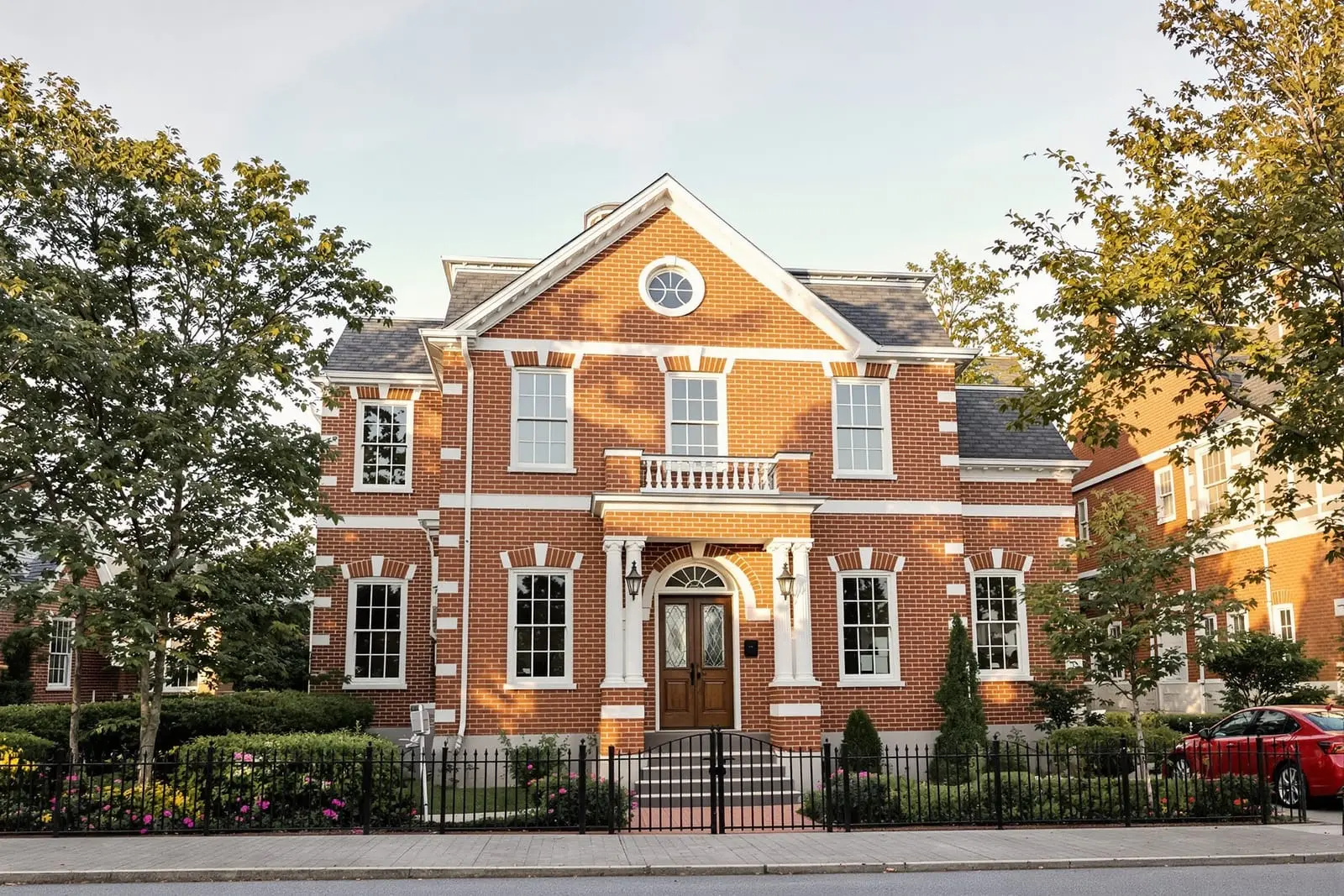
We handle masonry restoration and historic preservation in Baton Rouge, LA for older brick and stone structures. Our team uses compatible mortars, careful cleaning methods, and selective rebuilding to protect original character. Preserve your building while addressing safety and water intrusion concerns.
Vanguard Masonry Baton Rouge provides professional masonry restoration throughout Baton Rouge, LA and the surrounding area. Our licensed, insured crew delivers safe, clean, on-time work with a free estimate before anything begins. Call (225) 327-5380 or request your free quote.
Masonry restoration in Baton Rouge rooted in preservation, not patchwork
Vanguard Masonry Baton Rouge focuses on masonry restoration and historic preservation as a specialized craft, not just another repair service. Our goal is to stabilize and revive older brick, stone, and block structures in Baton Rouge so they look right, perform safely, and comply with local expectations for historic character.
We regularly work on century‑old homes near Spanish Town, mid‑century brick houses in Garden District, and commercial buildings from the petrochemical boom years. Each era used different brick densities, joint profiles, and mortar recipes, so we start by identifying exactly what you have before we ever talk about pricing or timelines.
Where some contractors simply smear modern mortar over failing joints, we analyze the masonry, match original materials as closely as practical, and restore the wall so that future owners and inspectors can see it was done correctly. That approach protects both your property value and the story your building tells.
Our evaluation process before any masonry restoration work
A thorough evaluation is the first step of every masonry restoration project with Vanguard Masonry Baton Rouge. We never prescribe a fix without knowing what is failing and why.
1) Site walk and documentation. We walk the entire exterior and, where needed, key interior areas. We photograph cracks, bulges, spalling brick, staining, previous patches, and moisture entry points. On historic projects, we pay close attention to decorative brickwork, arches, and cornices.
2) Material assessment. We look at brick hardness and size, joint style (concave, flush, raked), and mortar condition. For older properties, we often take a small mortar sample to check if it is lime‑based or Portland‑heavy. This matters because using a mortar that is harder than the original brick can cause the bricks themselves to crack and flake.
3) Structural and moisture review. We look for signs of foundation settlement, failing lintels over windows and doors, clogged weep holes, or missing flashing. In Baton Rouge, wind‑driven rain and high humidity often combine with marginal drainage to push water into walls, then the summer heat drives that moisture back out, breaking weak patches.
4) Plan and scope. Only after this review do we outline a restoration plan. That plan might include tuckpointing, brick replacement, crack stitching, cleaning, repointing with historically appropriate mortar, or rebuilding specific sections. We explain each item in plain language so you understand what is necessary and what is optional.
How professional tuckpointing and repointing are actually done
For masonry restoration, tuckpointing and repointing are often the most important steps. Done correctly, they extend the life of your brickwork and keep water out. Done poorly, they trap moisture and cause faster damage.
Preparation. We use grinders with dust control or hand tools, depending on the sensitivity of the wall, to remove deteriorated mortar to an appropriate depth, usually 2 to 2.5 times the width of the joint. We take care not to widen the joints or chip brick edges.
Mortar matching. Vanguard Masonry Baton Rouge prepares test batches to match color, texture, and strength. On pre‑World War II buildings we typically favor lime‑rich, more flexible mixes. On newer homes, we use modern mortars chosen to be compatible with existing materials, not just the bag sitting on the shelf.
Placing new mortar. We dampen the joint lightly so the existing masonry does not pull all the water out of the new mortar. Then we pack the mortar in layers for deep joints, compacting firmly to remove voids. Joint tooling happens at the correct time in the set, to match the original profile and ensure good water shedding.
Curing and protection. In our climate, rapid drying can cause shrinkage cracks. We sometimes shade or lightly mist freshly repointed areas, especially in summer, so they cure slowly and gain strength. On historic facades, we often phase work so there is no visual patchwork, and we clean the wall only after the mortar is fully cured.
Repairing cracks, bulges, and failing brick in older Baton Rouge structures
Cracks and bulges in masonry do not all mean the same thing. Part of responsible masonry restoration is determining whether movement is active or historic and whether the problem is primarily cosmetic or structural.
Crack evaluation. Hairline stair‑step cracks in mortar joints may relate to normal settlement and can often be addressed with repointing. Wider cracks, cracks that go through bricks, or cracks over doors and windows can indicate failing lintels or more serious settlement.
Stabilization methods. Depending on the cause, Vanguard Masonry Baton Rouge might use helical ties or crack stitching bars embedded in grout to lock separated sections together, or we may recommend that a structural engineer review severe movement. For sagging brick arches or deflected lintels, we shore the opening, remove compromised units, replace or reinforce the steel, then rebuild the masonry so the repair is hidden and the load path is restored.
Brick and unit replacement. Spalled, cracked, or severely eroded bricks are selectively removed and replaced. We source salvaged or compatible new brick to match size and color as closely as possible. In historic preservation projects, we often rotate sound faces of existing bricks toward the exterior when appropriate, preserving original material while improving appearance.
Water management. Many recurring crack and spall problems trace back to poor drainage, missing sealant at transitions, or failed flashing. As part of restoration, we may open small sections to inspect for flashing, check weep holes at brick ledges, and recommend gutter or grading adjustments to prevent the same damage from returning.
Historic preservation: respecting original design while meeting modern needs
Historic preservation goes beyond making masonry look new. It means respecting original design intent while making the structure safe, durable, and functional for current use.
Detail documentation. Before altering any historic facade, Vanguard Masonry Baton Rouge documents existing patterns, joint profiles, decorative bands, keystones, and corbeling. For homes or buildings that may fall under local historic district rules, detailed photos and notes can support any required applications.
Period‑appropriate techniques. Where possible, we use techniques consistent with the building's age. That may mean lime mortar for a 1920s cottage, hand‑tooled joints for a 1940s storefront, or careful preservation of soot‑darkened brick that tells a story. When complete restoration is impossible because materials are obsolete, we design visually compatible solutions instead of obviously modern patches.
Balancing updates. Owners often want to add modern sealers or coatings. On historic masonry, many film‑forming sealers can trap moisture and accelerate damage. We explain breathable treatment options, when they make sense, and when the best choice is to fix the source of moisture rather than coat the surface.
Collaboration. On larger preservation projects, we can coordinate with architects, engineers, or preservation consultants. We welcome detailed specifications and can provide field feedback about what we see inside the walls once selective demolition begins.
Local Baton Rouge considerations, permits, and cost factors
Restoration work in Baton Rouge is influenced by our climate, soil conditions, and local rules. Understanding these helps you plan your project and budget realistically.
Climate and materials. High humidity, strong sun, and frequent storms are hard on masonry. We choose mortars and techniques that tolerate thermal cycling and repeated wetting and drying. For shaded north walls, we pay special attention to mold, mildew, and efflorescence and choose cleaning methods that do not etch softer brick.
Permits and oversight. Many masonry restoration projects on single‑family homes do not require a separate building permit if they are strictly repair in kind, but structural changes, commercial facades, and work in designated historic districts may trigger permit or review requirements. Vanguard Masonry Baton Rouge helps you understand when drawings, engineer letters, or Historic Preservation Commission review may be needed and timescales to expect.
HOA and neighborhood approvals. Subdivisions around Baton Rouge sometimes require exterior changes to be approved. Because restoration can change visible colors and textures, we provide clear before‑and‑after descriptions and sample panels so you can present accurate information for approval.
Cost drivers. Project cost depends on access (scaffolding vs ground work), degree of deterioration, need for specialized materials, and whether structural stabilization is needed. Precision tuckpointing on a decorative historic facade will cost more per square foot than straightforward repointing on a backyard wall because it is slower and requires more skill. We provide written scopes and line items so you can see where your money goes and where there may be options to phase work.
What to expect when you hire Vanguard Masonry Baton Rouge
Our process is built to minimize surprises and keep your property protected throughout restoration.
Clear proposal. After inspection, you receive a written proposal that defines the areas to be restored, methods to be used, materials proposed, and any uncertainties, such as hidden steel condition. We also outline what counts as additional work so there are no grey areas.
Scheduling and protection. We schedule work in logical phases to minimize open joints or exposed areas in case of sudden storms. We use ground covers, tape, and barriers to protect adjacent finishes, landscaping, and walkways from debris and cleaning runoff.
Execution and communication. A lead from Vanguard Masonry Baton Rouge is on site to oversee work, answer questions, and adjust details as needed. If we uncover unexpected issues, like missing flashing or concealed decay, we show you, discuss options, and document agreed changes.
Final review and maintenance guidance. At completion, we walk the project with you, explain what was done in each area, and point out what to watch for over time. We provide practical maintenance tips, such as how often to inspect weep holes, where sealant joints should be monitored, and when to call us back before a small issue becomes a structural problem.
By combining careful evaluation, period‑appropriate methods, and practical solutions for our local climate, we deliver masonry restoration and historic preservation that lasts and looks right for Baton Rouge.
“
Professional masonry restoration and historic preservation, done right the first time, quality materials, honest pricing, and results that last.
Vanguard Masonry Baton Rouge
Masonry Restoration and Historic Preservation Across Our Service Area